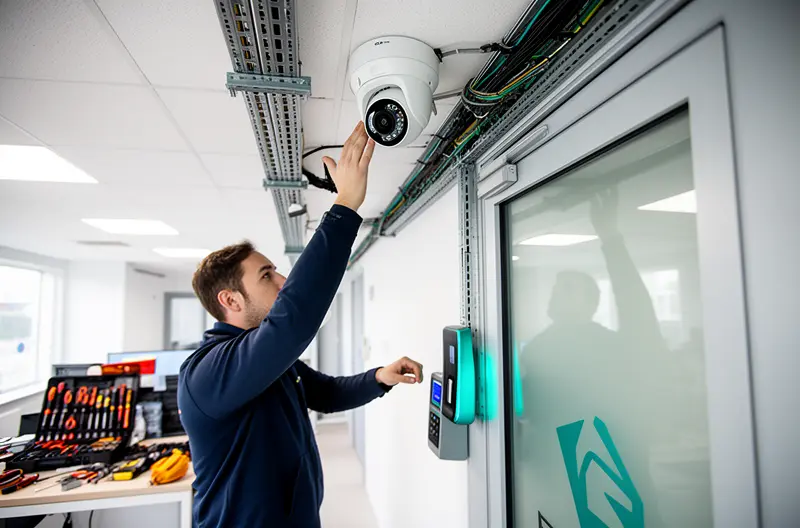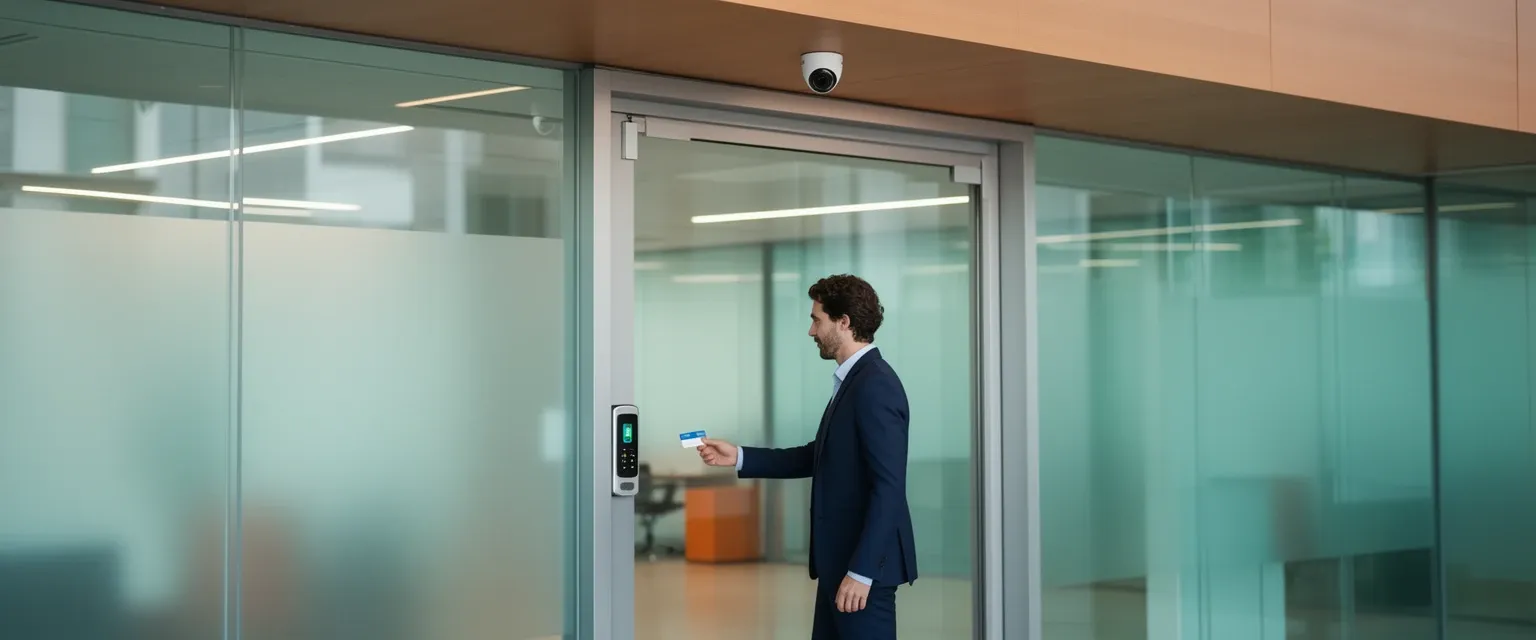
Verkada Barcelona refers to the availability of Verkada's cloud-managed physical security platform, and its certified local partners, for organisations operating in the city. It covers cameras, access control, sensors and alarms managed through Verkada Command, alongside consultancy and support delivered by specialist providers.
Many businesses in Barcelona still rely on separate, ageing systems for video surveillance, access control and environmental monitoring, each with its own software, maintenance schedule and point of failure. This fragmentation makes it harder to get a clear view of what is happening across a site, or across several sites, and slows down response when something goes wrong. A cloud-managed approach consolidates these functions into a single platform accessible from anywhere, reducing dependence on local servers and manual updates. Impulso Tecnológico works with Verkada technology when it fits the accepted scope, from initial technical assessment to ongoing management, so that physical security decisions reflect the realities of each site.
Verkada Barcelona Solutions for Business Security
Verkada is a cloud-managed security platform combining video surveillance, access control, environmental sensors, alarms, guest management, mailroom management and intercoms under one administration console, Verkada Command. For a business evaluating options in Barcelona, this means fewer separate logins, fewer local servers to maintain and a single place to manage users, alerts and footage across one or several sites. Impulso Tecnológico brings experience with Verkada technology, networks, cybersecurity and cloud services where they fit the accepted scope. This means physical security is assessed alongside connectivity, data protection and business continuity, rather than as an isolated purchase.
| Criterion | Traditional separate systems | Verkada cloud-managed platform |
|---|---|---|
| Management | Multiple consoles, local servers | Single cloud console (Verkada Command) |
| Updates | Manual, often delayed | Centrally managed |
| Multi-site visibility | Limited, fragmented | Unified across locations |
| Integration scope | Vendor-dependent | Cameras, access control, sensors, alarms combined |
What Is Verkada and How Does Verkada Command Work?
Verkada is a cloud-managed physical security platform: cameras, access control readers, sensors and alarms connect to Verkada Command, a browser-based console used to view live and recorded footage, manage user permissions, configure alerts and monitor device health. Rather than relying on a local network video recorder, footage can be stored on-device or in the cloud depending on configuration, and firmware updates are pushed centrally. This cloud-based video surveillance model reduces the on-site hardware a business needs to maintain, while still allowing granular control over who can view specific cameras, doors or sensor data, and when.
Verkada Products for Offices, Sites and Multi-Site Organisations
Verkada's portfolio spans seven product lines. Business security cameras cover indoor, outdoor and specialised environments. Access control secures doors and entry points, often reviewed together with wider Verkada access control implementation projects covering readers, credentials and permission tiers. Environmental sensors monitor air quality, temperature and occupancy. Alarms add intrusion detection linked to the same platform. Guest management and mailroom management address visitor flow and parcel handling in offices, while intercoms support entry communication. A single office may only need cameras and access control, while a multi-site organisation typically combines several of these lines under one account.
Key Benefits and Considerations of Cloud-Managed Security
A unified, cloud-managed security platform can simplify administration, reduce the number of vendors involved and give teams a consistent way to review incidents across locations. This is a meaningful shift from managing separate camera systems, alarm panels and access control software, each with its own update cycle and support contact. That said, suitability depends on factors specific to each site: available bandwidth and connectivity, data retention and privacy requirements, existing hardware that may or may not be reusable, and the internal or external team responsible for ongoing administration. A physical security consultancy in Barcelona can help weigh these factors before committing to a specific configuration.
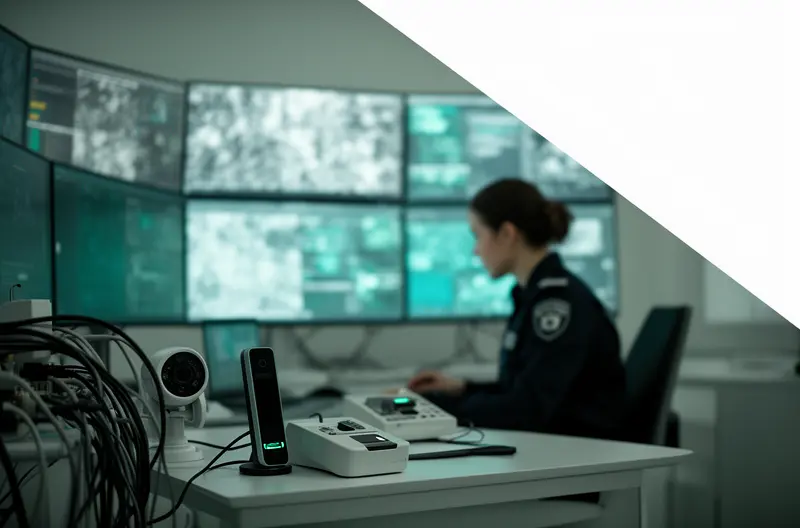
Planning Verkada Deployment and Integration in Barcelona
Deploying Verkada well depends less on the hardware itself and more on how the project is planned around the organisation's locations, network and existing systems. Impulso Tecnológico applies a project model originally developed for businesses in Madrid, which is directly relevant to organisations evaluating Verkada in Barcelona, structuring delivery so that quick wins are separated from longer structural improvements, and so that responsibilities and service levels are agreed before installation begins. This avoids the common problem of incomplete quotations or unclear ownership once devices are live. The following phases summarise a typical engagement, whether Impulso Tecnológico works alongside an internal IT team or leads the project directly.
- Understand locations, user numbers, critical services, current suppliers and operational priorities.
- Review network readiness, connectivity, power and physical coverage requirements at each site.
- Assess permissions, data retention, privacy obligations and support expectations.
- Plan device placement, integrations and implementation sequencing, separating quick wins from structural work.
- Deploy, configure and document the system, including assumptions, risks and access records.
- Establish ticket handling, escalation, preventive maintenance and reporting for ongoing operation.
From Technical Assessment to Verkada Implementation
A sound technical assessment starts with understanding the business, not the hardware catalogue: how many locations are involved, how many users need access, which services are critical to daily operations, which suppliers are already in place and what the organisation's priorities actually are. Internal responsibilities also need clarifying early, particularly where an IT team already exists and Verkada will sit alongside their work rather than replace it. This groundwork shapes the implementation plan, determines which product lines are relevant, and helps avoid a deployment that technically works but does not match how the business actually operates day to day.
Integrating Existing Cameras, Alarms and Door Hardware
Before any device is installed, network readiness needs checking: available bandwidth, cabling, power over Ethernet where required, and coverage across the areas that need monitoring. Permissions, data retention periods, privacy obligations and support arrangements should be defined at this stage too, rather than left until after go-live. Existing cameras, alarm sensors and door hardware are assessed against Verkada's compatibility requirements, since integration depends on the specific models and protocols already in place. Documenting all of this upfront, alongside assumptions and open risks, reduces the likelihood of surprises once the physical security consultancy Barcelona teams move to installation.
Privacy, Storage, Access and Operational Readiness
Where a business already has cameras, alarm sensors or door controllers installed, these are reviewed individually to determine whether they can connect into a Verkada deployment or whether replacement is more practical. This depends on hardware compatibility, cabling and the specific integration a project requires, so no blanket assumption applies across every site. Storage and access decisions follow the same logic: retention periods, who can view which footage or logs, and how long data is kept should be agreed based on the organisation's own privacy obligations and operational needs, rather than defaulted to a generic setting.

Choosing Verkada Support for Organisations in Barcelona
Selecting a Verkada partner in Barcelona is less about who can supply the hardware and more about who can support the system reliably once it is running. Impulso Tecnológico combines remote support with on-site work confirmed per location and scope, plus a weekday helpdesk available from 09:00 to 18:00, infrastructure monitoring and measurable SLAs, giving businesses a defined operating model rather than informal, ad hoc assistance. This matters particularly for companies opening a new site, preparing a migration, or trying to stabilise support after a period of recurring incidents. The following points summarise what a commercially sound support arrangement should include.
- Specialist escalation paths when an internal IT team needs additional expertise
- Preventive reviews rather than support that only reacts once something fails
- Clear documentation of configurations, permissions and access records
- Defined response and resolution expectations agreed as part of the service
- Support that considers Verkada alongside networks, cybersecurity and cloud services
What to Look for in a Verkada Partner in Barcelona
Buying Verkada hardware directly is straightforward; the harder part is design, deployment planning, user onboarding, documentation and ongoing escalation. A specialist consultancy adds value precisely in these areas, translating product features into a configuration that fits the organisation's sites, users and existing infrastructure. When comparing partners, it is worth asking who performs the technical assessment, how implementation risks are documented, and what happens after go-live if a device fails or a permission needs changing. Product-only purchasing rarely covers these questions in enough depth for a business with more than a single site.
Managed Support, Monitoring and Preventive Reviews
Once a Verkada system is live, ongoing reviews help keep it aligned with how the business actually operates: checking user lists remain accurate, alerts are tuned to avoid noise, firmware and patches are applied, connectivity is stable, and access control permissions reflect current staff and visitors. Preventive maintenance and monitoring reduce the chance that small issues, such as a camera losing connectivity or an access point misconfigured after a change, go unnoticed until they cause a larger problem. Clear system documentation supports this process, giving whoever manages the platform a reliable record to work from rather than relying on memory.
Assessing Commercial Fit, Responsibilities and Service Levels
Commercial fit depends on agreeing, in advance, who is responsible for what: response and resolution times, how repeated incidents are tracked, expected system availability, open risks that remain unresolved, and how user satisfaction is assessed, where these indicators are part of the engagement. These measures give both the business and the support provider a shared reference point, rather than relying on subjective impressions of service quality. For organisations comparing options in Barcelona, asking a prospective partner how they report against these indicators is a practical way to judge whether their support model matches the organisation's operational needs.
The right Verkada approach in Barcelona depends on product fit, the condition of existing infrastructure, privacy and retention requirements, and whether a sustainable support model is in place once the system goes live. None of these factors can be assessed properly from a product catalogue alone. An assessed implementation plan, covering technical discovery, integration options and ongoing support, is the practical next step for any organisation comparing Verkada against its current physical security setup, whether that means a single office or several sites across the city.
For related context, review Video surveillance system installation for businesses and Access control systems installer for businesses; these pages help connect this decision with adjacent IT priorities.