
Retail chains, franchises, commercial networks: the IT challenge in retail across Spain and Portugal is brutally operational. When the POS goes down in a store during Saturday's peak, there is no technical debate — there are customers in line and lost sales. When the payment gateway turns intermittent during the Christmas campaign, every minute counts in revenue.
Typical challenges in retail
- Unstable POS during commercial peaks: outages on Black Friday, sales or Christmas campaigns. Intermittent payment gateway, silent ERP integration failures.
- Unreliable store connectivity: links without 4G/5G backup, without proactive monitoring. When the carrier fails, the store finds out when the POS stops billing.
- Ungoverned customer WiFi: a single WiFi for corporate, staff personal devices, and guest courtesy. No segmentation, no filtering, no captive portal.
- Slow openings: a new store takes 6 weeks to be IT-operational when the commercial calendar asks for 3.
- Inconsistent customer-experience tech: digital signage, beacons, self-service kiosks that work in one store and not in another.
- Loss prevention without central visibility: video surveillance with local DVRs, no integration, no cross-store alerts.
How we tackle it at Impulso
We design retail-specific IT with SLA differentiated by criticality:
- Service hours, priorities, response objectives and escalation are agreed for each engagement after criticality and dependencies are reviewed; permanent availability is not assumed.
- Redundant store connectivity: primary fiber + 4G/5G managed backup, automatic failover and monitoring during the coverage window expressly included in the accepted scope. When there's an outage, we contact the carrier before the store notices.
- Segmented Aruba WiFi: three SSIDs per store (corporate for POS/back-office, guest courtesy with captive portal, IoT for signage). QoS prioritization for POS. Central Aruba Central management.
- Opening playbook: delivery timing for cabling, WiFi, POS, printers, telephony, signage and cameras is documented after the site, access, scope and assigned resource are confirmed.
- Managed Verkada surveillance: cloud-native cameras with event detection, integration with the sales system, cross-store alerts accessible from HQ. GDPR compliance for commercial-zone recording.
- Extended support during campaigns: helpdesk reinforcement during critical periods (Black Friday, sales, holidays), with technicians available for express dispatch on critical POS incidents.
Regulatory compliance in retail
- PCI-DSS: applies to any merchant processing cards. Mandatory network segmentation, audited technical controls, periodic evidence. Impulso prepares and maintains the PCI scope of the store network.
- For retail, legal review starts from POS, store connectivity, openings and physical security. Legal or data-protection teams validate the basis, duties and deadlines for that context against official sources; technical work documents controls and evidence without replacing their interpretation.
- Commercial video surveillance: mandatory signage, processing register, maximum retention periods (30 days unless justified). Verkada simplifies documentary compliance.
- Electronic invoicing: TicketBAI / Veri*factu in Spain, e-Fatura in Portugal — POS integration and real-time validation with AEAT / AT.
Technologies considered for Iberian retail
- Aruba for corporate and guest WiFi with central management
- Fortinet for perimeter and HQ VPN with 4G/5G failover
- Verkada for cloud video surveillance and access control
- Sophos for POS, back-office and staff endpoint protection
- Veeam for centralized backup
- Microsoft 365 + Intune for central identity and corporate device management
Why Impulso for retail
- Request-based site work: location, resource, timing, scope and access are confirmed before dispatch for each store request.
- System-specific SLA: POS isn't just another PC — it has its own stricter, contractually committed SLA.
- Campaign reinforcement: the contract anticipates commercial peaks rather than treating them as a regular month.
- Openings measured in weeks: the playbook is calibrated, timelines predictable.
How to prepare an IT decision for retail
Scope before catalogue
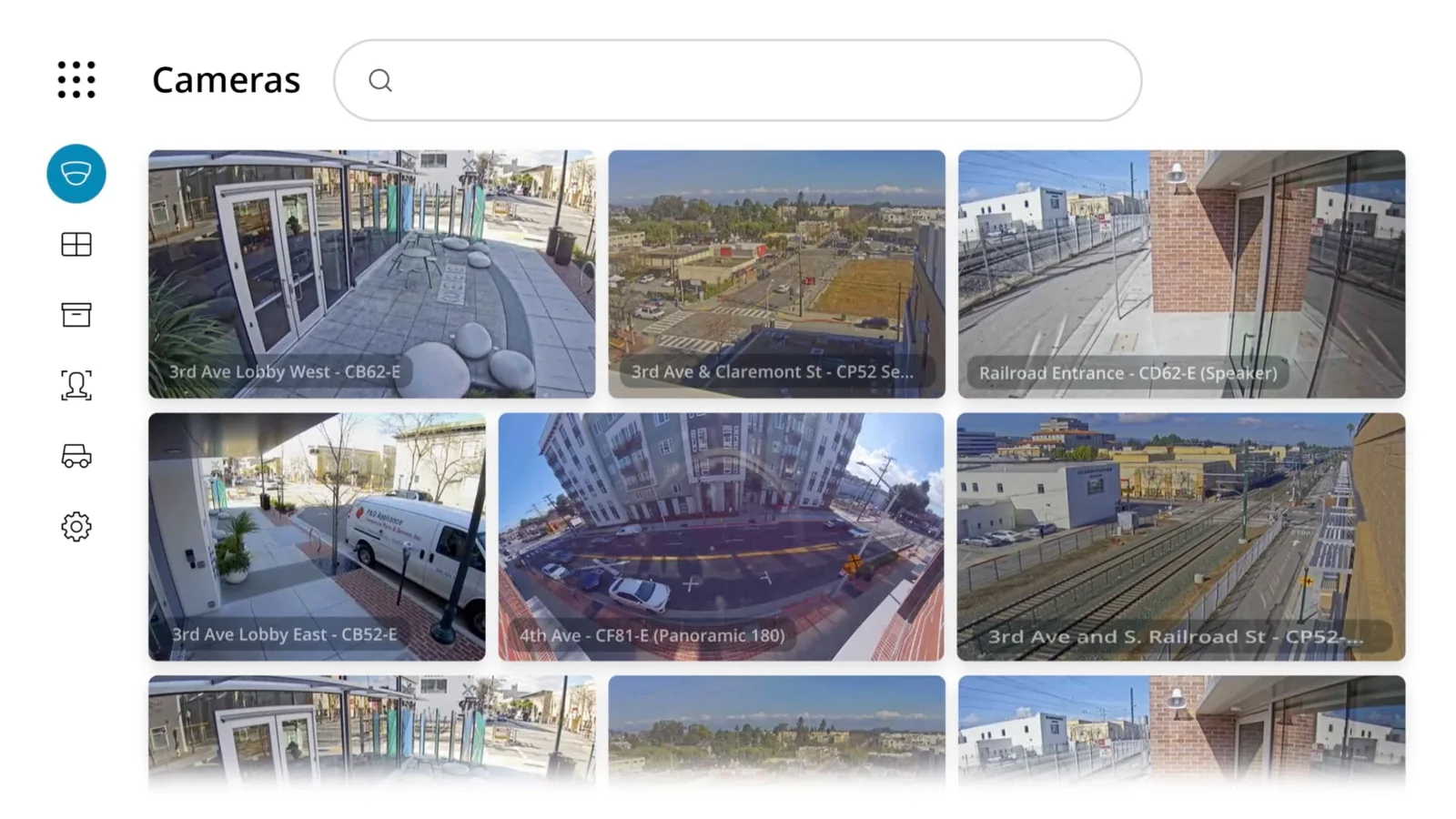
A useful retail assessment starts with the process that must be protected, not a product list. The initial map links POS, payments, Wi-Fi, printing, signage and access control to owners, locations, dependencies and work windows, separating a real requirement from a technology preference that has not yet been validated.
The priority is to understand POS, store connectivity, openings and physical security. Each assumption retains a source, date and owner; missing information is recorded as unknown instead of being turned into a promise about availability, recovery or compliance.
Scope distinguishes included work, third-party dependencies and decisions owned by the client. It also identifies access, approvals, building conditions and operational constraints before dates, price or service objectives are proposed.
Representative testing and controlled change
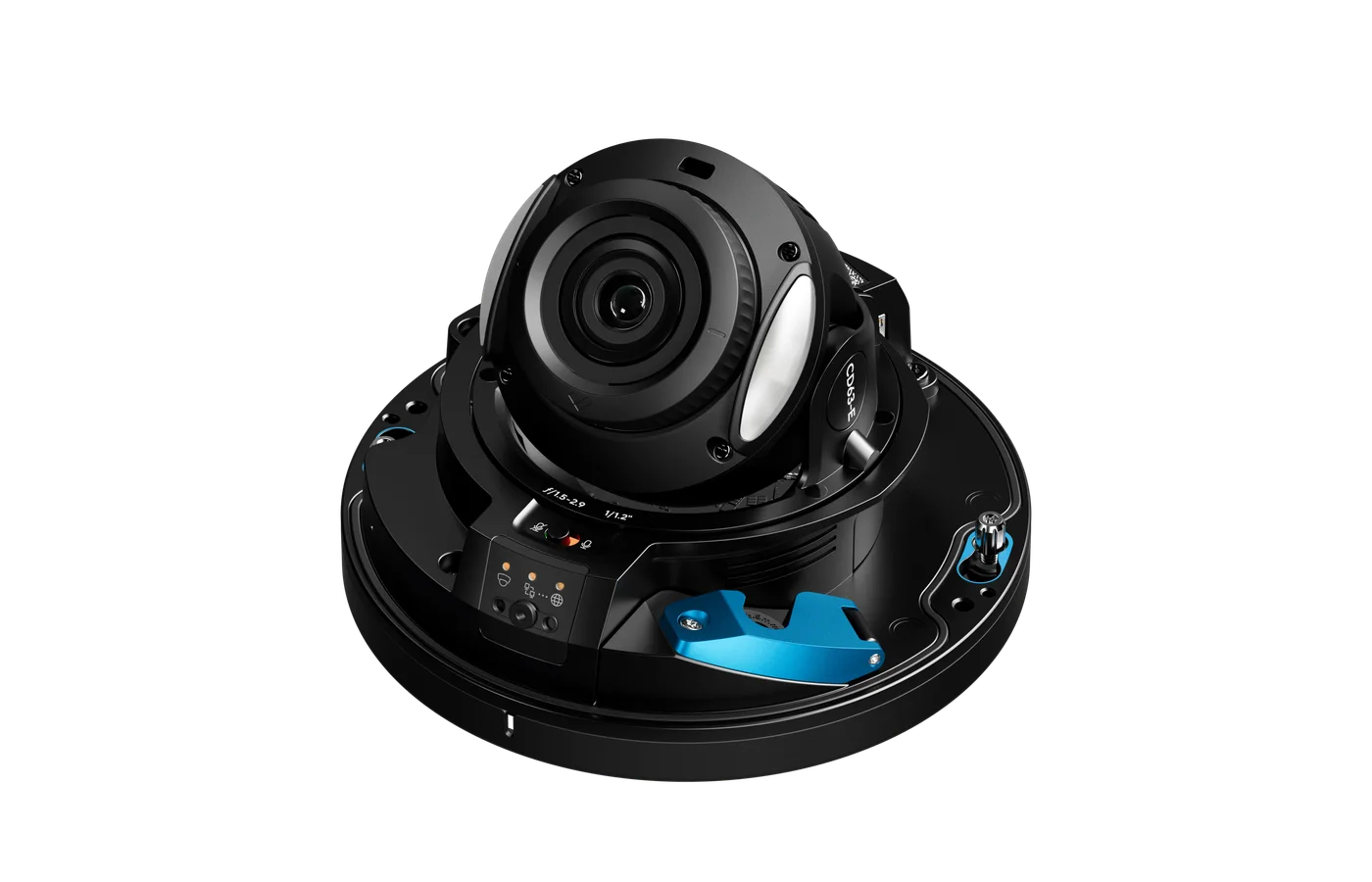
Validation follows a real journey: sale, return, stock lookup, payment and guest isolation. Prerequisites, expected result, evidence, acceptance criteria and rollback are recorded so the test can be repeated without placing operations at unnecessary risk.
Where several sites or systems are involved, work begins with a representative sample. The next wave proceeds only after incidents, exceptions and capacity have been reviewed, avoiding replication of a design that works in one environment but fails in another.
Changes are coordinated with operations, security, quality and affected vendors. An approved window is not enough: prior state, decision owner, communications, post-change testing and a recovery path are all needed when the result is not accepted.
Evidence that supports operations
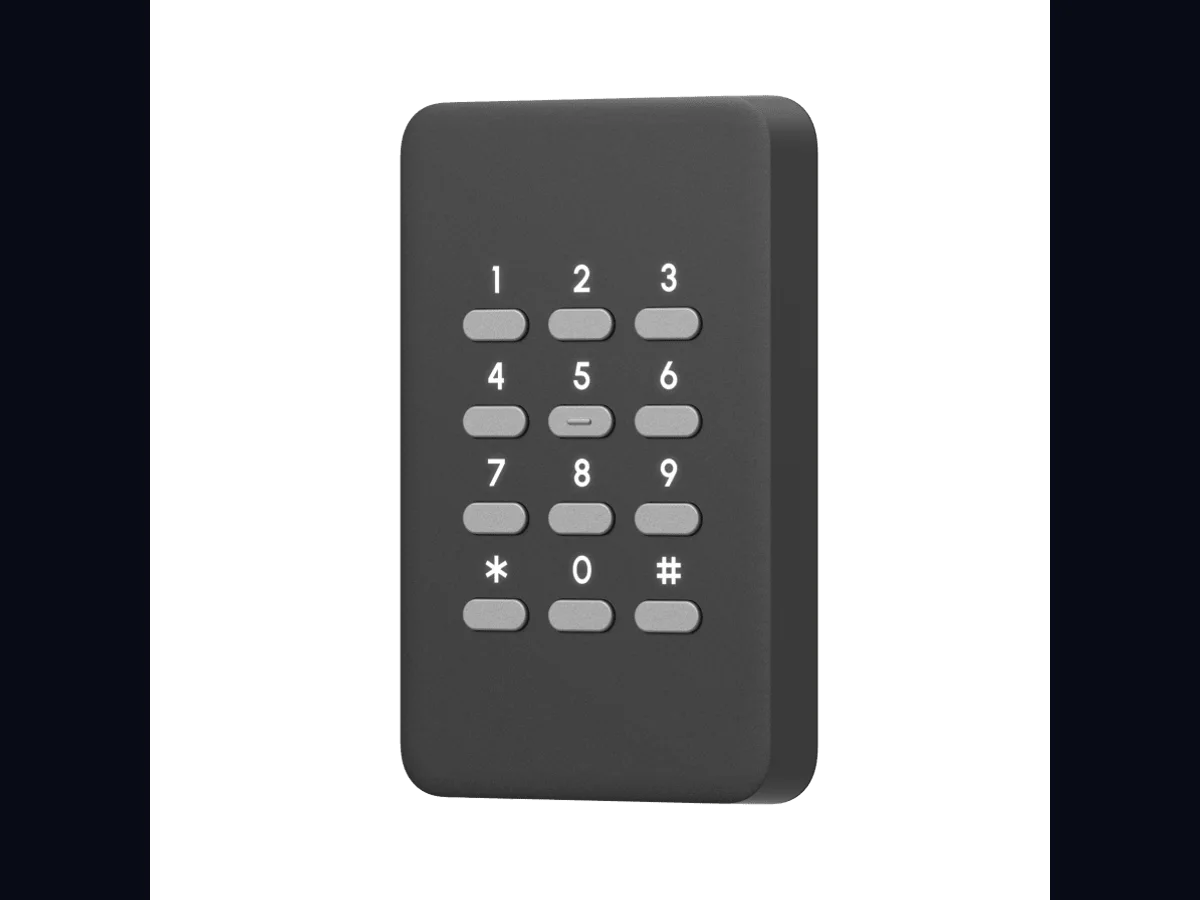
Handover preserves store acceptance, incidents by vendor and premises-specific exceptions. Each item identifies version, period and owner so an audit, a later incident or a new vendor can reconstruct what was decided and what remains open.
Metrics are agreed around the objective: inventory coverage, measured availability, recurring incidents, backup success, observed timings or acceptance by location. An average must not hide a critical exception or missing data.
The operating model names who requests, approves, performs, validates and receives each task. Vendors, carriers and external applications are linked to an owner and escalation path without presenting their availability as an in-house capability.
We can first review the retail environment, priorities and available evidence. That information supports a realistic scope and next steps.