
Retail networks designed around store availability, POS traffic, guest access and repeatable deployment across locations.
Networks and WiFi for retail stores
A retail network has to separate payment, corporate, operational and guest traffic while remaining simple enough to reproduce in new stores. We begin with floor plans, application dependencies, cabling constraints and the fallback required when a primary link fails.
The design defines VLANs, WiFi coverage, equipment standards, monitoring and acceptance tests. Rollout templates and as-built documentation make later openings and troubleshooting consistent without assuming identical conditions across locations.
A survey distinguishes coverage from capacity: staff handhelds, fixed POS equipment, guest devices and inventory areas place different demands on radio design. We record channel use, interference and roaming expectations before selecting access-point positions, rather than treating signal strength as the only result.
Store rollout includes a pre-change checklist, configuration baseline, carrier and power dependencies, an agreed cutover window and a rollback path. Acceptance tests cover the business journeys that matter — payment, inventory, office access and guest isolation — as well as technical reachability.
Handover provides labelled diagrams, addressing, equipment ownership and monitoring thresholds. These artefacts let support teams compare an incident with the approved design and help project teams open later stores without copying assumptions that may not fit a different building.
Resilience is tested as a business journey, not only as a green interface. When a backup link or device is included, the test confirms route selection, application behaviour and the alert seen by support. Results and limitations are recorded so continuity assumptions remain visible.
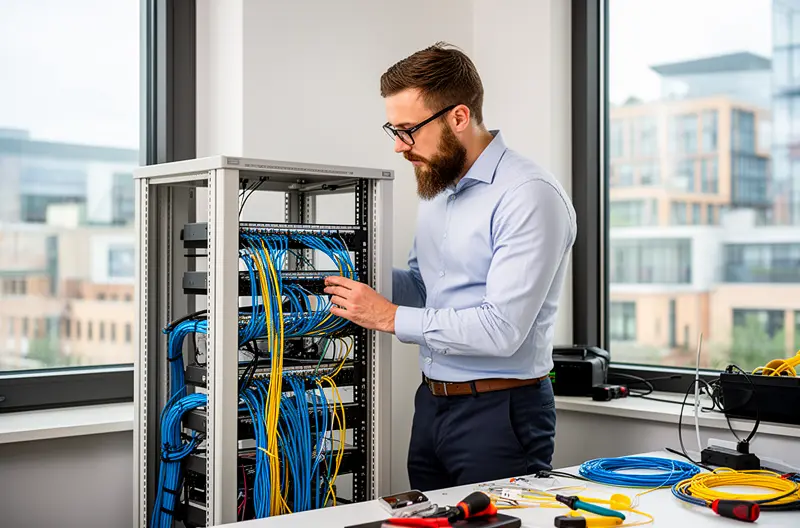
Scope of work and deliverables
The service for Retail is organised into verifiable workstreams. They do not all need to start at once: the assessment sets the order by impact, effort, dependency and exposure.
- LAN, WAN and WiFi design: the target state, ownership and required evidence are defined to support store availability and peak campaigns in Retail.
- segmentation, resilience and security: the target state, ownership and required evidence are defined to support POS and device connectivity in Retail.
- coverage, capacity and quality of service: the target state, ownership and required evidence are defined to support rapid openings and changes in Retail.
- monitoring and incident resolution: the target state, ownership and required evidence are defined to support consistent experience for customers and teams in Retail.
When addressing LAN, WAN and WiFi design, the priority of store availability and peak campaigns changes both design and sequence. The current operation of store availability and peak campaigns is documented first; the team then defines what LAN, WAN and WiFi design must deliver, who accepts the result and which evidence proves that the change supports Retail. This connection prevents isolated controls or a copied architecture that does not fit the process.
When addressing segmentation, resilience and security, the priority of POS and device connectivity changes both design and sequence. The current operation of POS and device connectivity is documented first; the team then defines what segmentation, resilience and security must deliver, who accepts the result and which evidence proves that the change supports Retail. This connection prevents isolated controls or a copied architecture that does not fit the process.
When addressing coverage, capacity and quality of service, the priority of rapid openings and changes changes both design and sequence. The current operation of rapid openings and changes is documented first; the team then defines what coverage, capacity and quality of service must deliver, who accepts the result and which evidence proves that the change supports Retail. This connection prevents isolated controls or a copied architecture that does not fit the process.
When addressing monitoring and incident resolution, the priority of consistent experience for customers and teams changes both design and sequence. The current operation of consistent experience for customers and teams is documented first; the team then defines what monitoring and incident resolution must deliver, who accepts the result and which evidence proves that the change supports Retail. This connection prevents isolated controls or a copied architecture that does not fit the process.
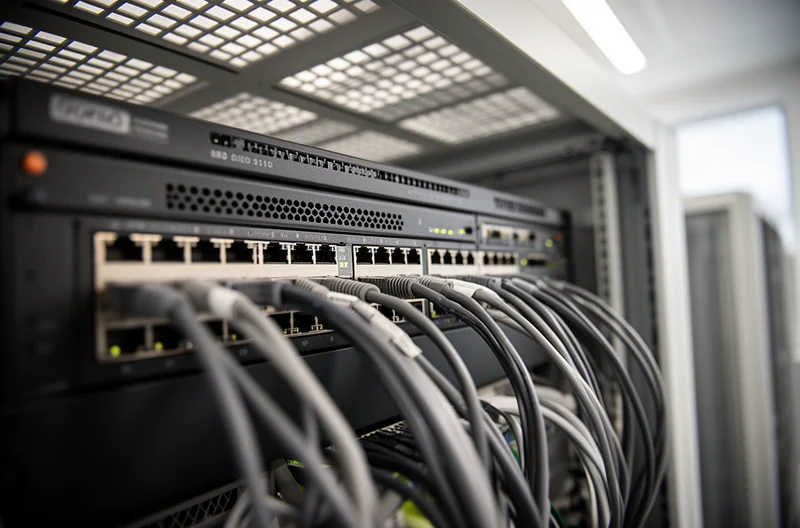
How delivery protects operational control
1. Discovery and baseline
Critical processes, architecture, owners, suppliers and available evidence are reviewed. For Retail, this phase links rapid openings and changes to the systems that support them and records genuine constraints around timing, security and continuity.
2. Prioritisation and design
Each finding becomes an action with an objective, owner, estimated effort, dependency and closure evidence. The design combines coverage, capacity and quality of service with consistent experience for customers and teams and avoids broad programmes that have no concrete measure of success.
3. Implementation, transition and operations
Changes are tested, documented and transferred into operations with rollback and escalation criteria. Where an internal team exists, the model defines what it retains, what it delegates and how incidents are coordinated with Impulso Tecnológico and other suppliers.

Useful measures for Retail
Reporting should demonstrate outcomes, not just activity. For Retail, useful measures include availability of priority processes, repeated incidents, detection and resolution time, successful change, service-level performance and tested recovery.
A periodic report connects those measures with risk, open actions and pending decisions. This turns Infrastructure, networks & WiFi from a collection of technical tasks into a service that operations, leadership and technology owners can govern.
- store availability and peak campaigns: baseline, owner, target and review cadence.
- POS and device connectivity: baseline, owner, target and review cadence.
- rapid openings and changes: baseline, owner, target and review cadence.
- consistent experience for customers and teams: baseline, owner, target and review cadence.
A model that works with current teams and suppliers
The engagement can operate as a complete service, specialist capacity or support for an internal team. Responsibilities, hours, channels, priorities and escalation are agreed explicitly, including third-party dependencies that could delay resolution.
Continual improvement reviews trends, business change and emerging risk. In Retail, that review should consider store availability and peak campaigns, POS and device connectivity, rapid openings and changes, consistent experience for customers and teams so the service remains aligned with operations and its documentation does not become stale.
Review the wider scope of Infrastructure, networks & WiFi and the operating context for Retail. We can prepare an initial assessment with priorities and practical next steps.
Request an assessment