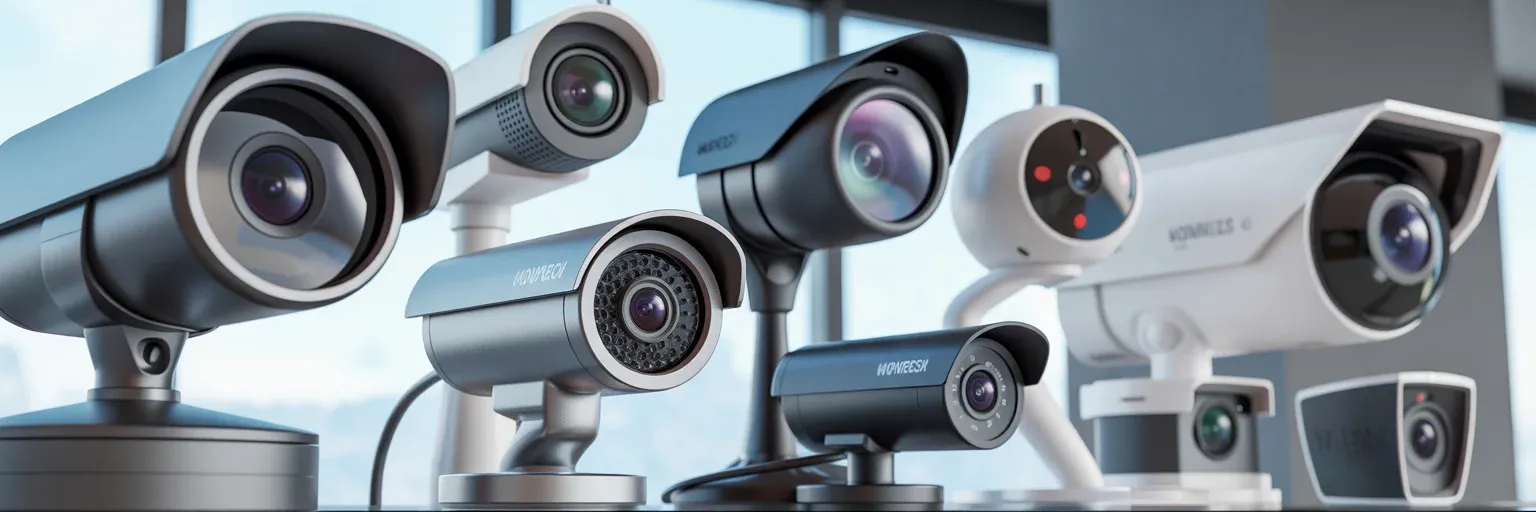
Verkada video surveillance for retailers that need a defined view of tills, stockrooms and store incidents across an agreed set of locations.
Video surveillance for retail with Verkada
Plan camera views around the incidents the retailer needs to review, including till disputes, deliveries and restricted storage. Supported features, access permissions and retention should be agreed alongside store connectivity and trading constraints.
What Smart physical security · Verkada should solve for Retail
In Retail, technology must sustain store availability and peak campaigns while enabling POS and device connectivity. The starting point is to agree which processes cannot stop, which dependencies support them and what service level each process needs.
Smart physical security · Verkada provides a practical framework for video surveillance and incident search and access control and event handling. Scope is documented by system, user group, site or asset so that every decision has an owner, priority and acceptance criterion.
We install Verkada cameras with on-device storage and 100% cloud management, removing the recorder from each store. The platform gives chain-wide visibility, search by person or object and occupancy or incident alerts.
Scope of work and deliverables
The service for Retail is organised into verifiable workstreams. They do not all need to start at once: the assessment sets the order by impact, effort, dependency and exposure.
- video surveillance and incident search: the target state, ownership and required evidence are defined to support store availability and peak campaigns in Retail.
- access control and event handling: the target state, ownership and required evidence are defined to support POS and device connectivity in Retail.
- centralised site and device management: the target state, ownership and required evidence are defined to support rapid openings and changes in Retail.
- retention, permissions and operational evidence: the target state, ownership and required evidence are defined to support consistent experience for customers and teams in Retail.
When addressing video surveillance and incident search, the priority of store availability and peak campaigns changes both design and sequence. The current operation of store availability and peak campaigns is documented first; the team then defines what video surveillance and incident search must deliver, who accepts the result and which evidence proves that the change supports Retail. This connection prevents isolated controls or a copied architecture that does not fit the process.
When addressing access control and event handling, the priority of POS and device connectivity changes both design and sequence. The current operation of POS and device connectivity is documented first; the team then defines what access control and event handling must deliver, who accepts the result and which evidence proves that the change supports Retail. This connection prevents isolated controls or a copied architecture that does not fit the process.
When addressing centralised site and device management, the priority of rapid openings and changes changes both design and sequence. The current operation of rapid openings and changes is documented first; the team then defines what centralised site and device management must deliver, who accepts the result and which evidence proves that the change supports Retail. This connection prevents isolated controls or a copied architecture that does not fit the process.
When addressing retention, permissions and operational evidence, the priority of consistent experience for customers and teams changes both design and sequence. The current operation of consistent experience for customers and teams is documented first; the team then defines what retention, permissions and operational evidence must deliver, who accepts the result and which evidence proves that the change supports Retail. This connection prevents isolated controls or a copied architecture that does not fit the process.
How delivery protects operational control
1. Discovery and baseline
Critical processes, architecture, owners, suppliers and available evidence are reviewed. For Retail, this phase links rapid openings and changes to the systems that support them and records genuine constraints around timing, security and continuity.
2. Prioritisation and design
Each finding becomes an action with an objective, owner, estimated effort, dependency and closure evidence. The design combines centralised site and device management with consistent experience for customers and teams and avoids broad programmes that have no concrete measure of success.
3. Implementation, transition and operations
Changes are tested, documented and transferred into operations with rollback and escalation criteria. Where an internal team exists, the model defines what it retains, what it delegates and how incidents are coordinated with Impulso Tecnológico and other suppliers.
Useful measures for Retail
Reporting should demonstrate outcomes, not just activity. For Retail, useful measures include availability of priority processes, repeated incidents, detection and resolution time, successful change, service-level performance and tested recovery.
A periodic report connects those measures with risk, open actions and pending decisions. This turns Smart physical security · Verkada from a collection of technical tasks into a service that operations, leadership and technology owners can govern.
- store availability and peak campaigns: baseline, owner, target and review cadence.
- POS and device connectivity: baseline, owner, target and review cadence.
- rapid openings and changes: baseline, owner, target and review cadence.
- consistent experience for customers and teams: baseline, owner, target and review cadence.
A model that works with current teams and suppliers
The engagement can operate as a complete service, specialist capacity or support for an internal team. Responsibilities, hours, channels, priorities and escalation are agreed explicitly, including third-party dependencies that could delay resolution.
Continual improvement reviews trends, business change and emerging risk. In Retail, that review should consider store availability and peak campaigns, POS and device connectivity, rapid openings and changes, consistent experience for customers and teams so the service remains aligned with operations and its documentation does not become stale.
Review the wider scope of Smart physical security · Verkada and the operating context for Retail. We can prepare an initial assessment with priorities and practical next steps.
Physical-security evidence for stores and retail operations
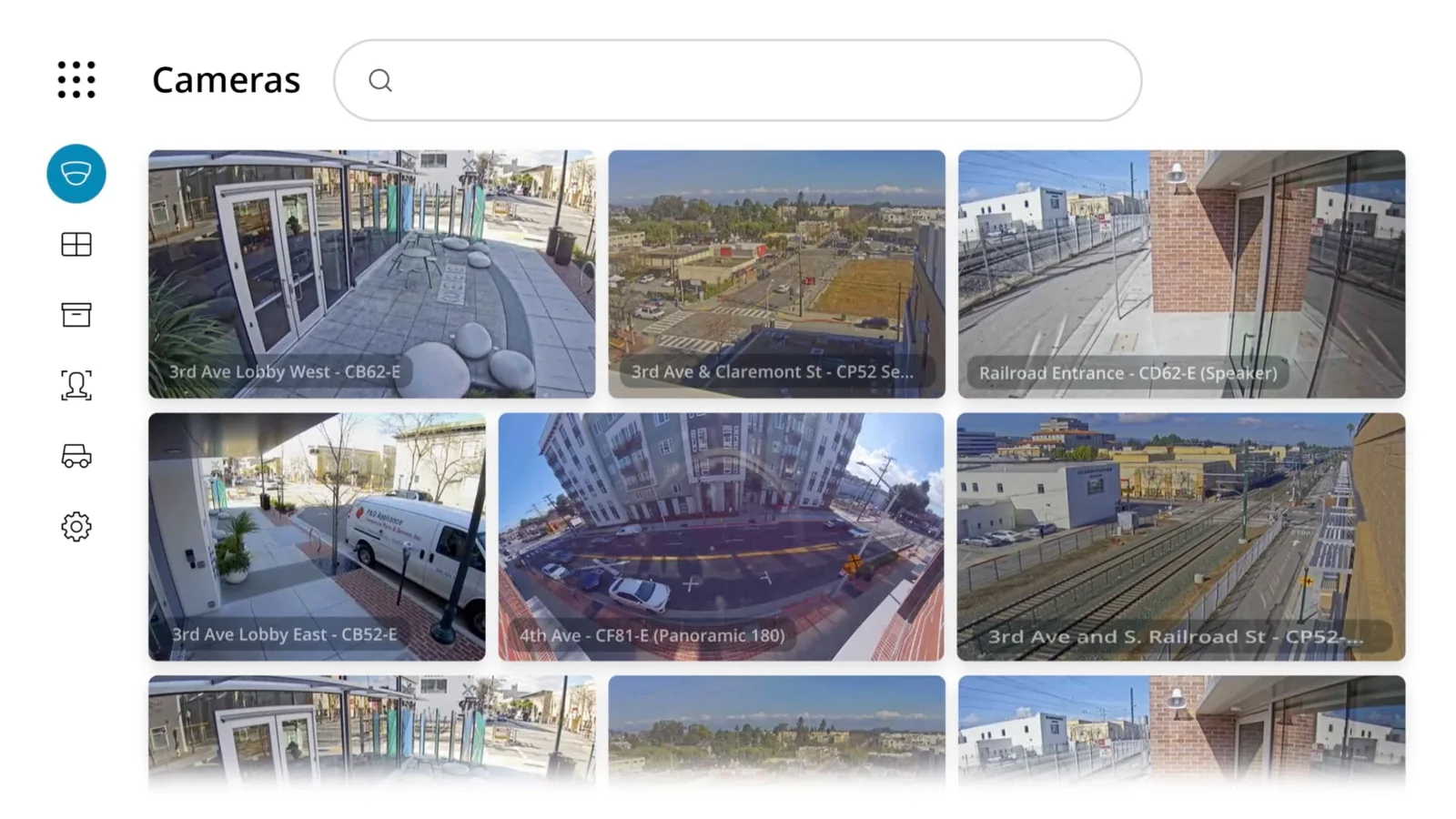
Design begins with events such as till disputes, restricted stockroom access, delivery hand-off, opening and closing, or after-hours entry. Each scenario identifies the decision, authorised viewer and evidence needed. Camera, sensor and door placement follows that purpose instead of a generic device count.
Representative views test distance, angle, lighting, crowds and occlusion. Device model, retention, licence and connectivity are confirmed for the accepted store design. A pilot distinguishes useful detail from a technically online image that cannot support the intended operational decision.
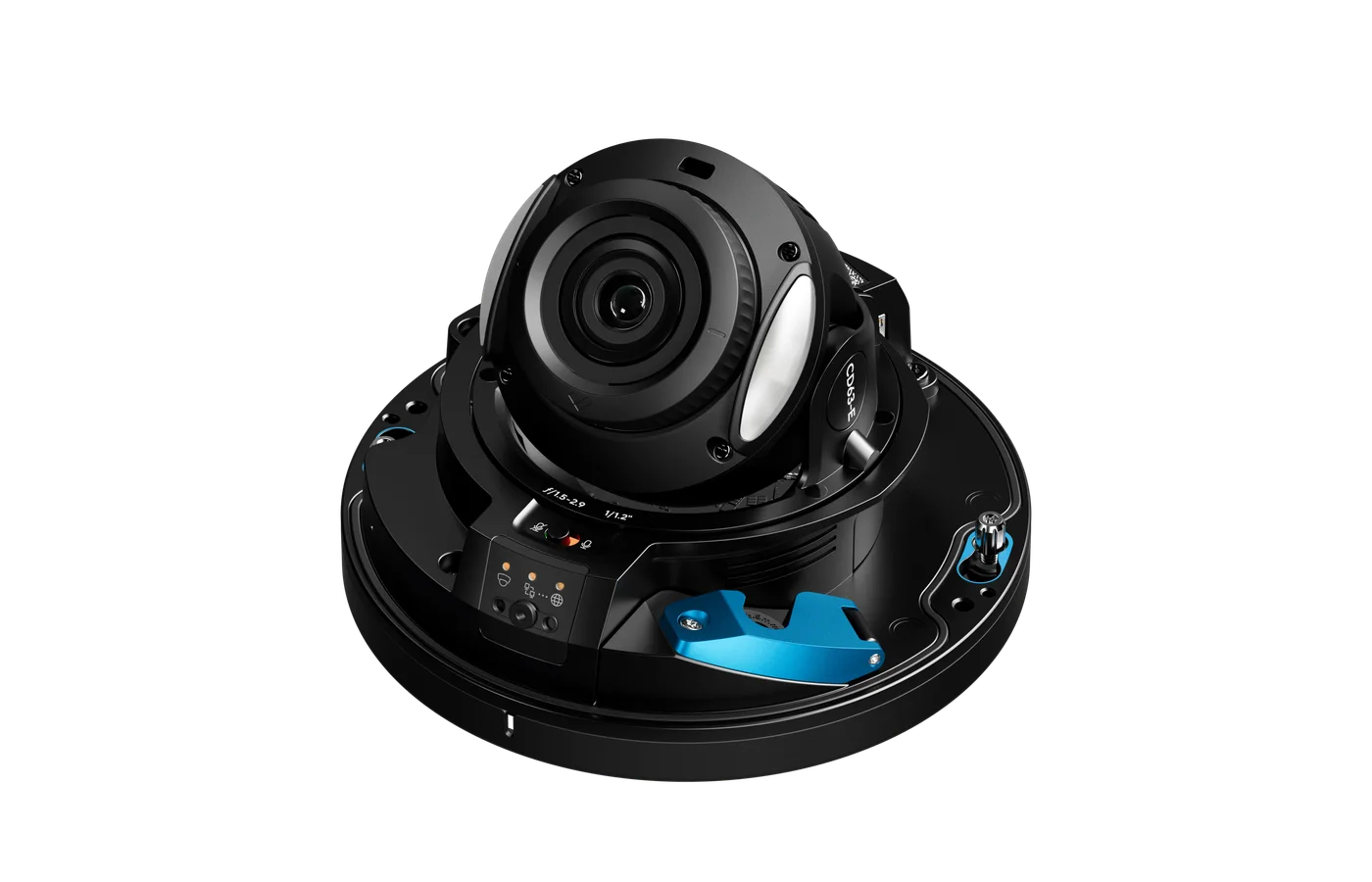
Access control covers employees, temporary workers, cleaners, suppliers and emergency procedures. Joiner and leaver flows determine when permissions change. Privacy purpose, notices, roles and retention are validated with accountable teams against current requirements before rollout.
Events need thresholds, triage and an owner. A rejected badge, unavailable view or open door is tested through the response path. Evidence preservation and hand-off are documented so store, security and IT teams know where responsibility changes.
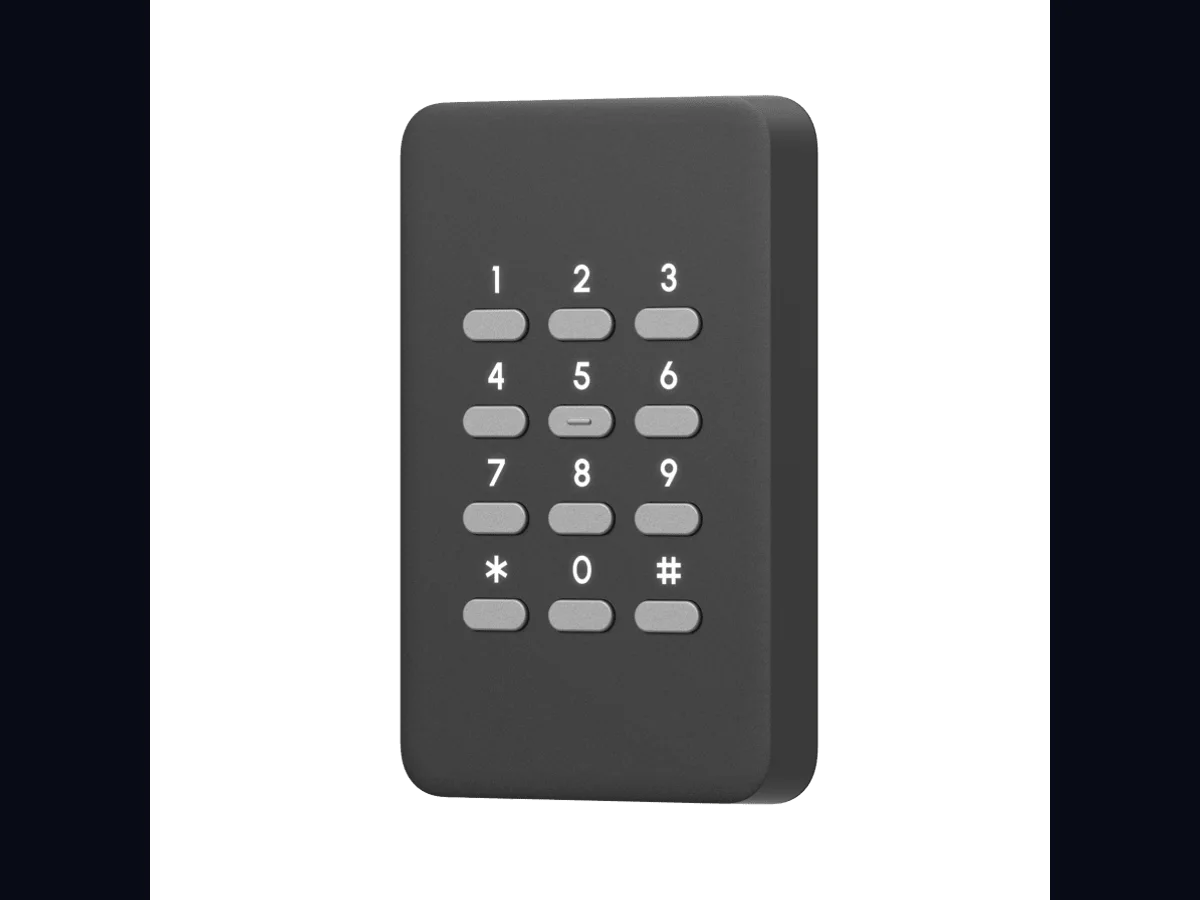
Rollout follows store type, trading calendar, access and construction constraints. Acceptance records views, doors, sensors, health and open limitations. A configuration that works in one building is not copied without checking layout, power, network and local operating conditions.
Handover includes plans, inventory, approved views, groups, retention, monitoring and escalation. On-site timing, credentials and available resource are confirmed per location and scope. Technology does not by itself guarantee response, continuous availability or a future incident outcome.
Request an assessment