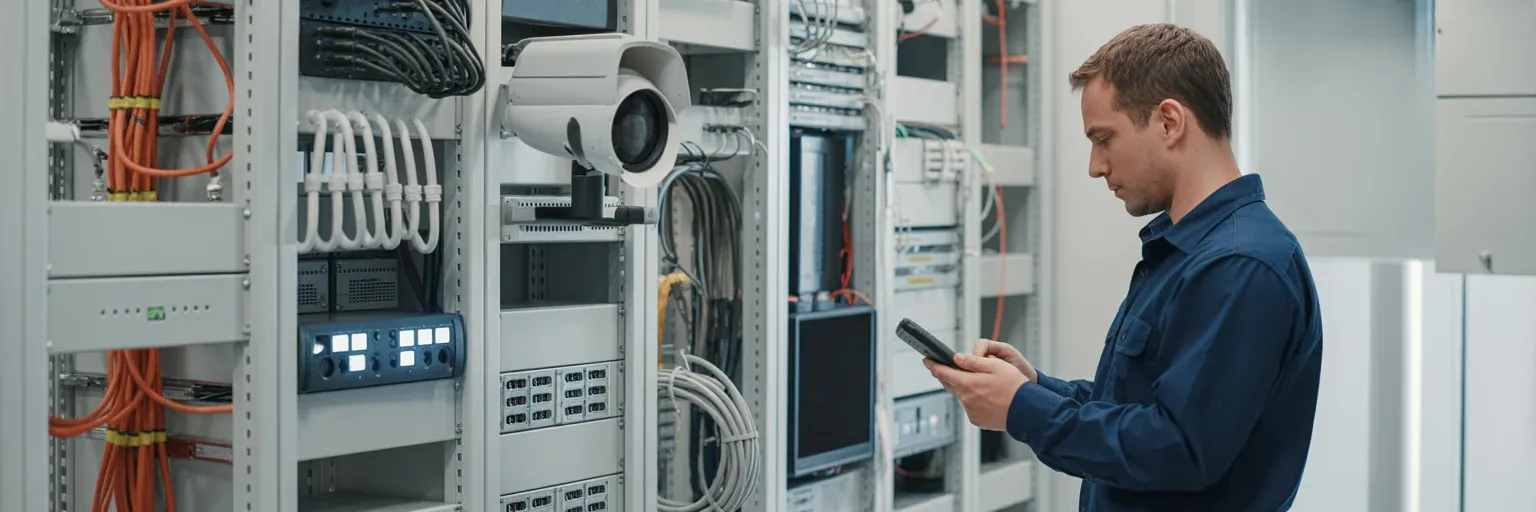
Physical security for public buildings that need documented camera coverage, access control and accountability across public and restricted areas.
Physical security for public buildings
Map citizen-facing areas, archives and restricted zones before selecting camera views and access controls. The responsible authority should define permitted use, retention and access, with procurement and operational responsibilities recorded in the scope.
What Smart physical security · Verkada should solve for Public Sector & Administrations
In Public Sector & Administrations, technology must sustain essential services and continuity while enabling procurement and verifiable responsibilities. The starting point is to agree which processes cannot stop, which dependencies support them and what service level each process needs.
Smart physical security · Verkada provides a practical framework for video surveillance and incident search and access control and event handling. Scope is documented by system, user group, site or asset so that every decision has an owner, priority and acceptance criterion.
We deploy cameras and access control in municipal premises and public centres, with retention policies tuned to regulation and a log of who accesses each recording. Cloud management eases audit and accountability.
Scope of work and deliverables
The service for Public Sector & Administrations is organised into verifiable workstreams. They do not all need to start at once: the assessment sets the order by impact, effort, dependency and exposure.
- video surveillance and incident search: the target state, ownership and required evidence are defined to support essential services and continuity in Public Sector & Administrations.
- access control and event handling: the target state, ownership and required evidence are defined to support procurement and verifiable responsibilities in Public Sector & Administrations.
- centralised site and device management: the target state, ownership and required evidence are defined to support information and access protection in Public Sector & Administrations.
- retention, permissions and operational evidence: the target state, ownership and required evidence are defined to support evidence for audit and improvement in Public Sector & Administrations.
When addressing video surveillance and incident search, the priority of essential services and continuity changes both design and sequence. The current operation of essential services and continuity is documented first; the team then defines what video surveillance and incident search must deliver, who accepts the result and which evidence proves that the change supports Public Sector & Administrations. This connection prevents isolated controls or a copied architecture that does not fit the process.
When addressing access control and event handling, the priority of procurement and verifiable responsibilities changes both design and sequence. The current operation of procurement and verifiable responsibilities is documented first; the team then defines what access control and event handling must deliver, who accepts the result and which evidence proves that the change supports Public Sector & Administrations. This connection prevents isolated controls or a copied architecture that does not fit the process.
When addressing centralised site and device management, the priority of information and access protection changes both design and sequence. The current operation of information and access protection is documented first; the team then defines what centralised site and device management must deliver, who accepts the result and which evidence proves that the change supports Public Sector & Administrations. This connection prevents isolated controls or a copied architecture that does not fit the process.
When addressing retention, permissions and operational evidence, the priority of evidence for audit and improvement changes both design and sequence. The current operation of evidence for audit and improvement is documented first; the team then defines what retention, permissions and operational evidence must deliver, who accepts the result and which evidence proves that the change supports Public Sector & Administrations. This connection prevents isolated controls or a copied architecture that does not fit the process.
How delivery protects operational control
1. Discovery and baseline
Critical processes, architecture, owners, suppliers and available evidence are reviewed. For Public Sector & Administrations, this phase links information and access protection to the systems that support them and records genuine constraints around timing, security and continuity.
2. Prioritisation and design
Each finding becomes an action with an objective, owner, estimated effort, dependency and closure evidence. The design combines centralised site and device management with evidence for audit and improvement and avoids broad programmes that have no concrete measure of success.
3. Implementation, transition and operations
Changes are tested, documented and transferred into operations with rollback and escalation criteria. Where an internal team exists, the model defines what it retains, what it delegates and how incidents are coordinated with Impulso Tecnológico and other suppliers.
Useful measures for Public Sector & Administrations
Reporting should demonstrate outcomes, not just activity. For Public Sector & Administrations, useful measures include availability of priority processes, repeated incidents, detection and resolution time, successful change, service-level performance and tested recovery.
A periodic report connects those measures with risk, open actions and pending decisions. This turns Smart physical security · Verkada from a collection of technical tasks into a service that operations, leadership and technology owners can govern.
- essential services and continuity: baseline, owner, target and review cadence.
- procurement and verifiable responsibilities: baseline, owner, target and review cadence.
- information and access protection: baseline, owner, target and review cadence.
- evidence for audit and improvement: baseline, owner, target and review cadence.
A model that works with current teams and suppliers
The engagement can operate as a complete service, specialist capacity or support for an internal team. Responsibilities, hours, channels, priorities and escalation are agreed explicitly, including third-party dependencies that could delay resolution.
Continual improvement reviews trends, business change and emerging risk. In Public Sector & Administrations, that review should consider essential services and continuity, procurement and verifiable responsibilities, information and access protection, evidence for audit and improvement so the service remains aligned with operations and its documentation does not become stale.
Review the wider scope of Smart physical security · Verkada and the operating context for Public Sector & Administrations. We can prepare an initial assessment with priorities and practical next steps.
Physical-security controls for public access and accountable review
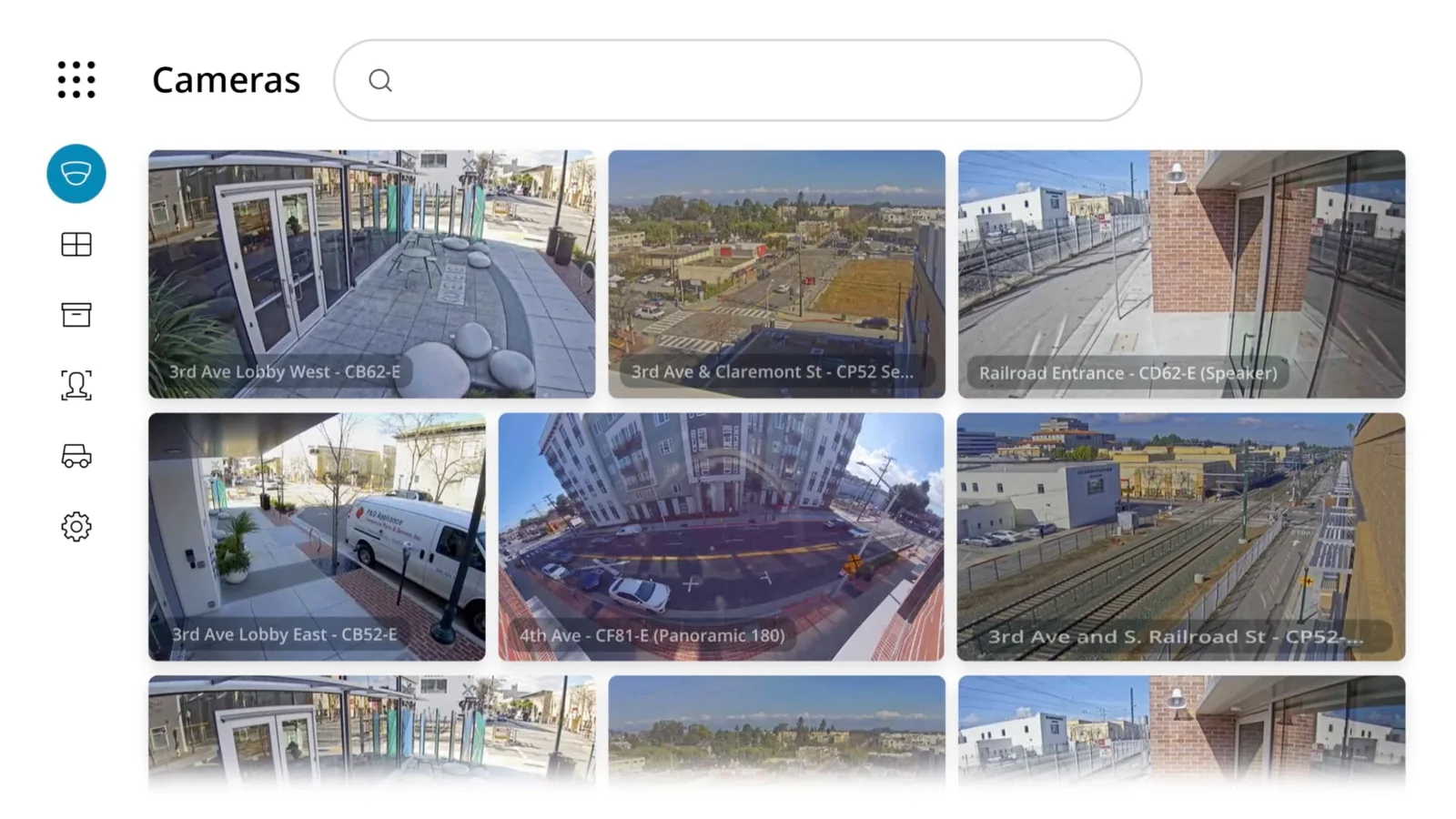
Assessment separates citizen areas, staff zones, archives, service entrances and spaces with different hours. For each scenario, the accountable body defines the event and authorised response. Technical design then selects proportionate views, doors and sensors instead of installing equipment without an operational purpose.
Image tests consider angle, backlight, obstruction, distance and occupancy. Model, storage, retention, licence and procurement constraints are confirmed for the building. A general overview and identification-quality evidence are treated as different requirements with different privacy impact.
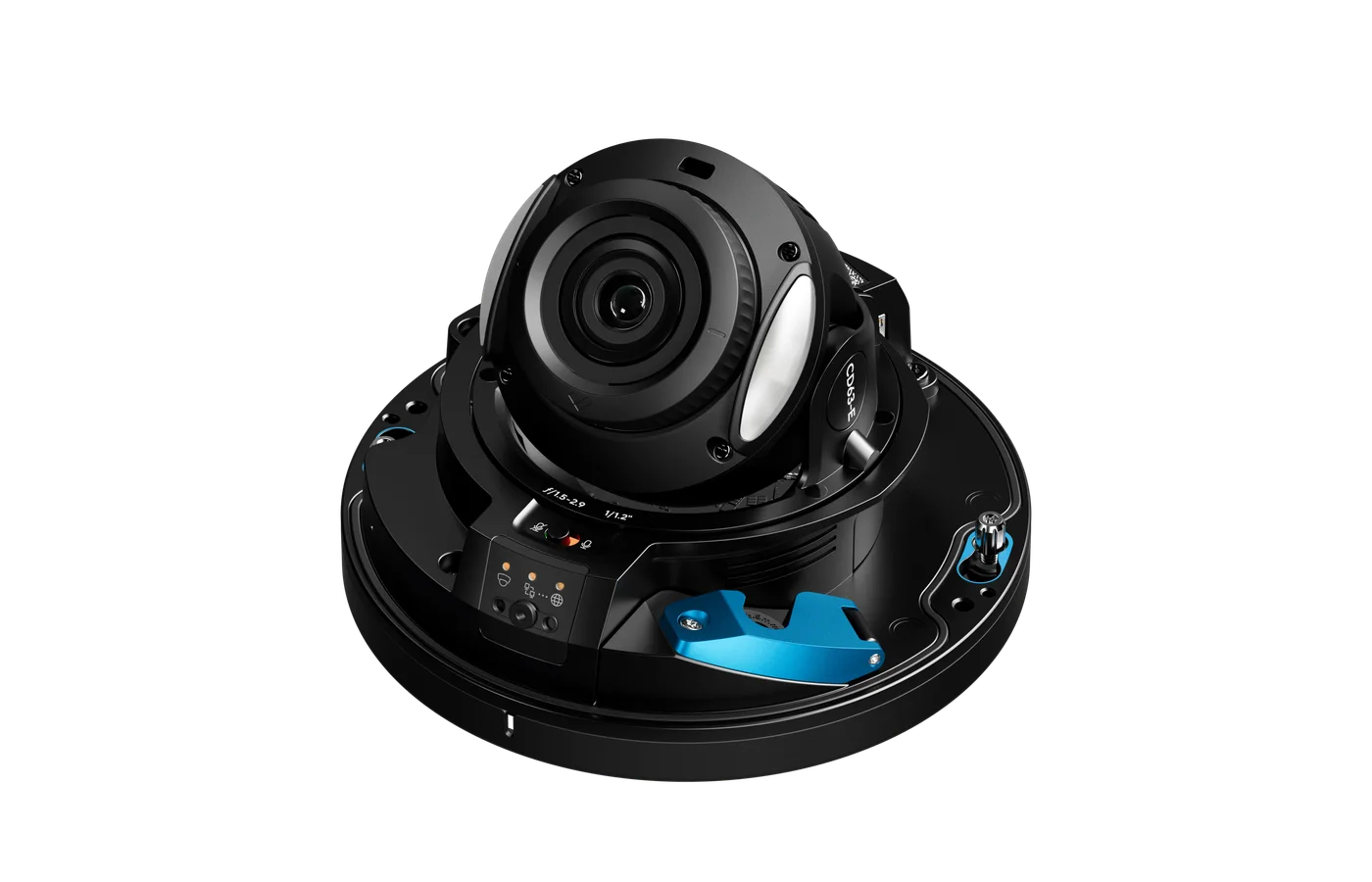
Access credentials link identity, sponsor, schedule and door. Staff changes, visitors, contractors, emergency override and offline behaviour are included. Tests cover denial, communication loss and the building procedure, ensuring the digital system does not create an unmanaged safety dependency.
Legal and data-protection owners validate purpose, basis, signage, access roles, retention and request handling against current official rules. Delivery supplies configuration and audit evidence without replacing their interpretation. Views and permissions remain limited to the approved need.
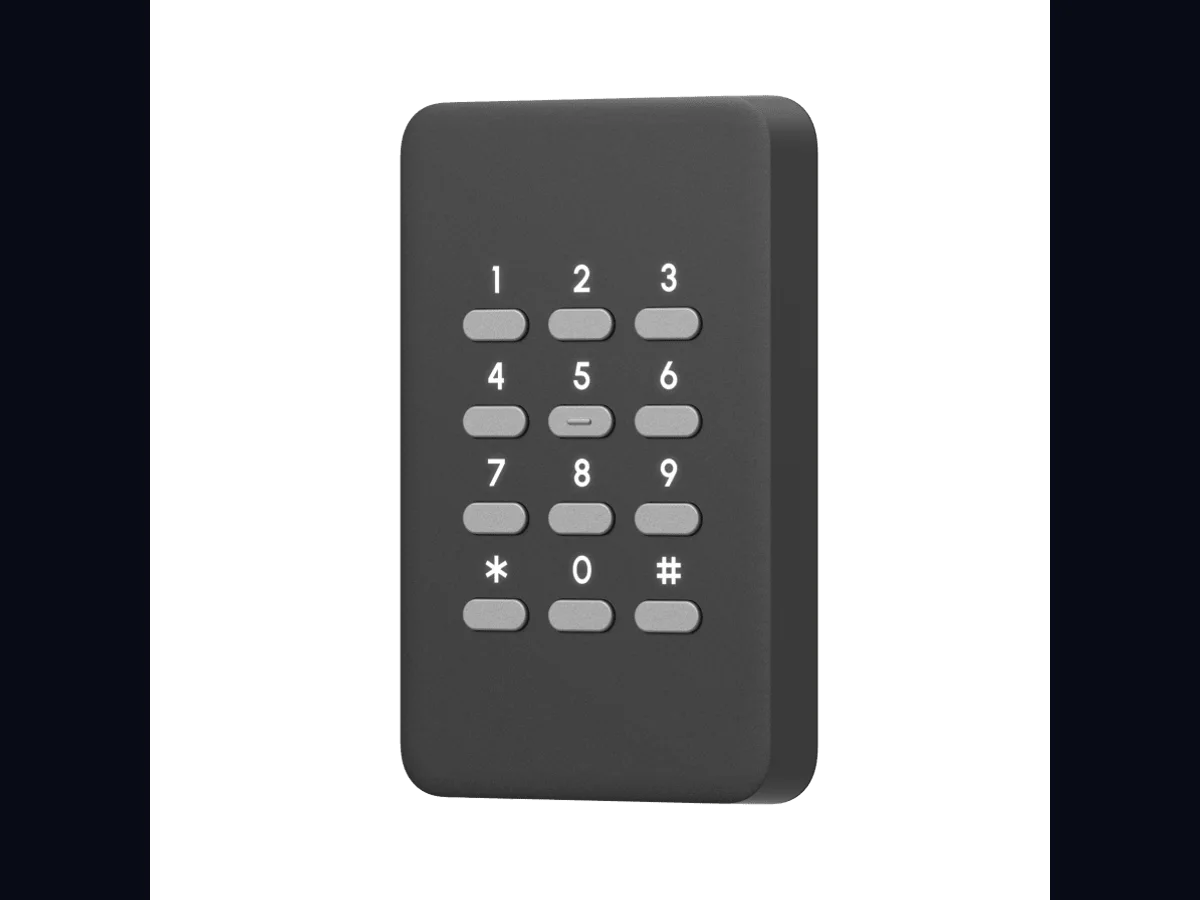
Monitoring maps device health and security events to triage, escalation and closure. Acceptance records date, outcome, exception and action by location. Loss of image, degraded storage or a door alert cannot be called healthy merely because no user raised a ticket.
Handover preserves plans, inventory, views, groups, retention, tests and constraints. Credentials, resource and on-site calendar are confirmed for each public building. No permanent response, certification or uniform availability is inferred from the selected platform.
Request an assessment