Network Firewall Installation: Comprehensive Guide
Expert guide to network firewall installation covering essential steps, advanced configuration, and ongoing management for robust business security.
Before embarking on network firewall installation, understanding the fundamental stages ensures a secure and optimised deployment. The installation process extends beyond simply connecting hardware; it requires careful planning, strategic configuration, and alignment with your organisation's specific security requirements. This section outlines the essential steps involved in assessing your network infrastructure, selecting appropriate firewall technology, and executing a methodical installation that establishes robust perimeter protection. By following these structured stages, businesses can avoid common pitfalls such as misconfigured rules, inadequate capacity planning, or incomplete integration with existing systems. A well-executed installation provides the foundation for all subsequent security measures, enabling effective traffic filtering, threat detection, and secure remote access capabilities that support business continuity.
Essential Steps for Network Firewall Installation
At Impulso Tecnológico, our approach to firewall installation begins with a comprehensive assessment tailored to each client's unique environment. We've successfully deployed WatchGuard firewalls across Madrid and surrounding districts—including Arganzuela, Chamartín, and Pozuelo de Alarcón—for organisations ranging from 50-user businesses to enterprises exceeding 10,000 users. Our methodology avoids rigid, one-size-fits-all solutions, instead focusing on understanding your specific infrastructure, compliance requirements, and growth projections. This personalised approach ensures we recommend the optimal WatchGuard model—whether XTM series, Firebox e-Series, or XCS appliances—matched precisely to your throughput needs and security objectives. Our clients benefit from reduced vulnerability to hacking attempts, improved regulatory compliance, and enhanced network performance. By combining technical excellence with transparent communication, we deliver installations that integrate seamlessly with existing systems whilst providing scalable protection that adapts to evolving business demands and emerging cyber threats.

Evaluating Network Security Needs
The foundation of successful firewall installation lies in thoroughly assessing your organisation's network infrastructure and security requirements. This evaluation begins with mapping all network entry points, identifying critical assets requiring protection, and understanding current traffic patterns. Consider the number of simultaneous users, bandwidth requirements, remote access needs, and any regulatory compliance obligations such as GDPR. Document existing security incidents, vulnerabilities identified in previous audits, and specific threats relevant to your industry sector. This assessment should also account for future growth projections, planned digital transformation initiatives, and integration requirements with cloud services or branch offices. A comprehensive evaluation enables informed decisions about firewall capacity, feature requirements, and configuration priorities. Without this crucial groundwork, organisations risk deploying underpowered solutions, overlooking critical security gaps, or implementing configurations that hinder legitimate business operations whilst failing to block genuine threats.
Choosing the Right Firewall Hardware and Software
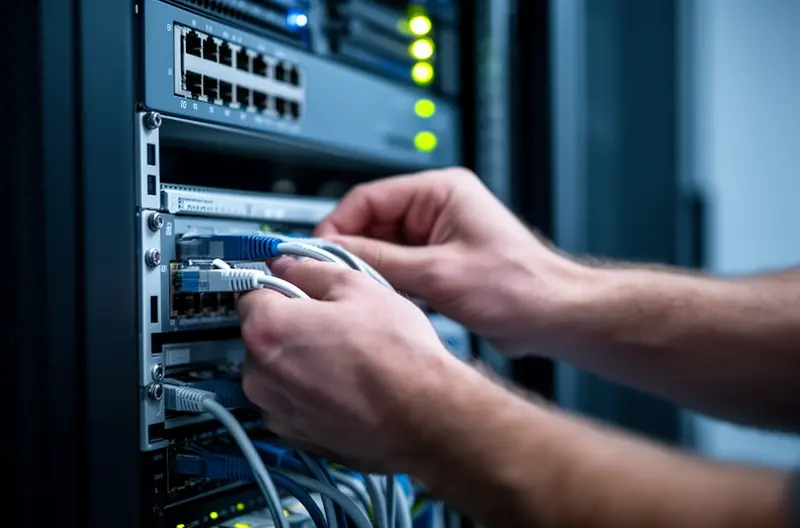
Selecting appropriate firewall technology requires balancing performance, features, scalability, and cost-effectiveness. Hardware considerations include throughput capacity measured in Mbps or Gbps, the number of concurrent sessions supported, VPN performance for remote workers, and physical interface requirements. Software capabilities encompass intrusion prevention systems, application control, web filtering, and advanced threat protection. WatchGuard firewalls, for instance, offer versatile solutions from entry-level models suitable for small offices to enterprise-grade appliances supporting thousands of users. Evaluate whether unified threat management features—combining firewall, antivirus, spam filtering, and content filtering—align with your security strategy. Consider management interfaces, reporting capabilities, and integration with existing security information and event management systems. The right choice ensures adequate protection without over-investing in unnecessary capacity, whilst providing headroom for growth and the flexibility to adapt security policies as threats evolve and business requirements change.
Configuring Basic Firewall Settings
Initial firewall configuration establishes the security foundation for your entire network. Begin by defining network zones—typically separating trusted internal networks, untrusted external internet connections, and demilitarised zones for public-facing servers. Configure default policies that deny all traffic except explicitly permitted connections, following the principle of least privilege. Establish basic access control rules allowing essential business services whilst blocking unnecessary protocols and ports. Set up network address translation to hide internal IP addressing schemes from external observation. Configure secure administrative access using strong authentication, encrypted management protocols, and restricted source IP addresses. Enable logging for all denied connections and security events to support incident investigation and compliance reporting. This initial setup phase also includes firmware updates, time synchronisation for accurate log timestamps, and backup of configuration files. Proper basic configuration prevents common security gaps such as open management interfaces, overly permissive default rules, or unmonitored traffic that could mask intrusion attempts.
Advanced Configuration and Ongoing Firewall Management
Impulso Tecnológico's proactive monitoring and maintenance services transform firewall deployment from a one-time installation into a continuously optimised security asset. Our clients across Madrid—including organisations in Retiro, Salamanca, and Las Rozas—benefit from regular policy reviews, threat intelligence updates, and performance optimisation that reduce vulnerabilities whilst ensuring compliance with GDPR and industry-specific regulations. We've successfully managed WatchGuard firewall estates for businesses ranging from professional services firms to manufacturing facilities, preventing security incidents through early detection and rapid response. Our approach combines automated monitoring tools with expert human analysis, identifying anomalous traffic patterns, configuration drift, and emerging threats before they impact operations. Real client cases demonstrate measurable improvements: one logistics company experienced zero successful intrusions over three years, whilst a healthcare provider achieved full audit compliance through our systematic documentation and policy management. By centralising firewall management with Impulso Tecnológico, organisations eliminate the complexity of maintaining in-house expertise whilst gaining access to specialist knowledge, vendor relationships, and proven methodologies that keep security posture robust against evolving cyber threats.

Setting Up Access Control and Firewall Rules
Implementing granular access control lists and traffic filtering requires translating business requirements into precise firewall rules. Begin by documenting legitimate traffic flows—which users need access to specific applications, servers, or cloud services. Create rule sets organised by function rather than ad-hoc additions, grouping related policies for easier management. Apply the principle of least privilege, permitting only necessary protocols and ports whilst denying everything else by default. Configure application-layer filtering to control access based on specific programmes rather than just port numbers, preventing unauthorised applications from circumventing security. Establish separate rules for different user groups, network segments, and time-based access requirements. Regularly review and prune obsolete rules that accumulate over time, creating security gaps or performance degradation. Well-structured access control prevents both external intrusions and internal threats, ensuring users can perform legitimate tasks whilst blocking malicious activity and unauthorised data exfiltration attempts.

Utilising Monitoring Tools for Threat Detection
Continuous network traffic monitoring and threat detection capabilities transform firewalls from passive filters into active security sentinels. Configure intrusion detection and prevention systems to analyse traffic patterns, identifying signatures of known attacks and anomalous behaviour indicating zero-day exploits. Enable real-time alerting for critical events such as repeated authentication failures, unusual data volumes, or connections to known malicious IP addresses. Implement traffic analysis tools that provide visibility into bandwidth consumption, application usage, and connection patterns, revealing both security incidents and operational issues. Integrate firewall logs with centralised security information and event management platforms, correlating events across multiple systems to detect sophisticated multi-stage attacks. Establish baseline metrics for normal network behaviour, enabling rapid identification of deviations that warrant investigation. Regular log review and threat hunting exercises uncover subtle indicators of compromise that automated systems might overlook, ensuring comprehensive protection against both obvious and stealthy intrusion attempts.
Establishing Maintenance and Support Protocols
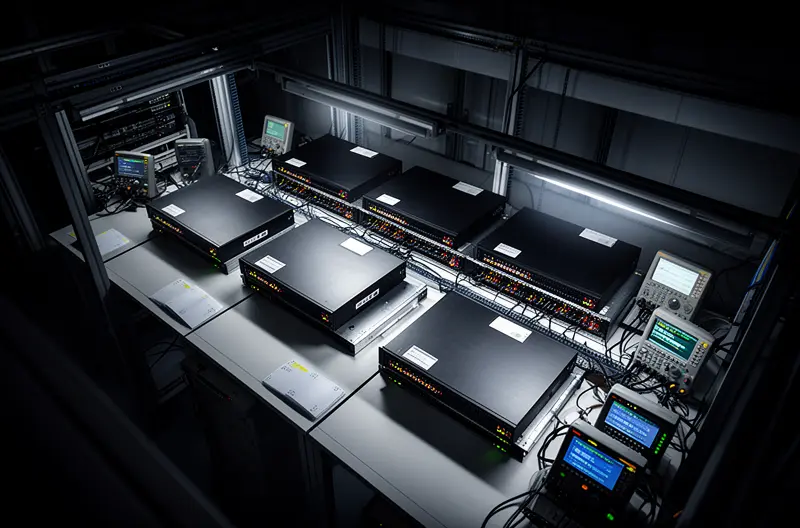
Systematic maintenance and support protocols ensure firewalls remain effective throughout their operational lifecycle. Schedule regular firmware updates to address newly discovered vulnerabilities and add enhanced security features, testing updates in controlled environments before production deployment. Maintain current threat signature databases, ensuring intrusion prevention systems recognise the latest malware variants and attack techniques. Conduct quarterly policy reviews, validating that firewall rules still align with current business requirements and removing obsolete configurations. Perform periodic security assessments including penetration testing and vulnerability scanning to identify weaknesses before attackers exploit them. Document all configuration changes, creating an audit trail for compliance purposes and enabling rapid rollback if problems arise. Establish clear escalation procedures for security incidents, defining responsibilities and communication protocols. Regular backup of firewall configurations protects against hardware failures and enables rapid disaster recovery. These disciplined maintenance practices prevent security degradation, ensure business continuity, and demonstrate due diligence to auditors and stakeholders.
Network firewall installation combined with comprehensive ongoing management represents an essential investment in business resilience and data protection. The structured approach outlined throughout this guide—from initial security assessment through advanced configuration and proactive monitoring—ensures organisations establish robust perimeter defences capable of withstanding sophisticated cyber threats. However, technology alone cannot guarantee security; success requires expertise, continuous attention, and adaptation to evolving risks. Businesses that treat firewall deployment as a strategic initiative rather than a technical task benefit from reduced incident frequency, improved regulatory compliance, and the confidence that critical assets remain protected. By partnering with experienced specialists who understand both technical implementation and business context, organisations transform network security from a source of concern into a competitive advantage that enables safe digital transformation and sustainable growth.
Secure Your Network with Expert Firewall Installation
Concerned about network vulnerabilities and cyber threats? Impulso Tecnológico delivers tailored firewall installations using proven WatchGuard solutions, backed by comprehensive assessment, configuration, and ongoing management. Our clients across Madrid benefit from reduced security incidents, regulatory compliance, and peace of mind. Transform your network perimeter into a robust defence against evolving threats.